SOUL / THE PEOPLE / THE SOUNDHERO IMAGE: Ray Charles performing in 1963 · Hugo van Gelderen / Anefo, Dutch National Archives · CC0
01 / THE STORY
THE ROOTS IN THE MUSIC.
Soul grew from Black American gospel, blues and rhythm and blues. Singers brought the intensity and call-and-response of church performance into secular songs; bands and studios gave that feeling new shapes. The music did not arrive from one artist or city. Detroit's Motown, Memphis's Stax, Atlantic's recordings and later Philadelphia productions carried different voices to wide audiences while keeping the people who made them at the center.
FOLLOW THE YEARS
Follow the sound from one era to the next.
01 / 1940s–1950s
GOSPEL MEETS R&B
Black church singing, blues phrasing and the swing of rhythm and blues fed a new popular sound. Ray Charles and Sam Cooke were among the artists whose records helped open a wider audience to gospel-shaped secular singing. There was no single first soul record: performers, bands and audiences were building a language together.
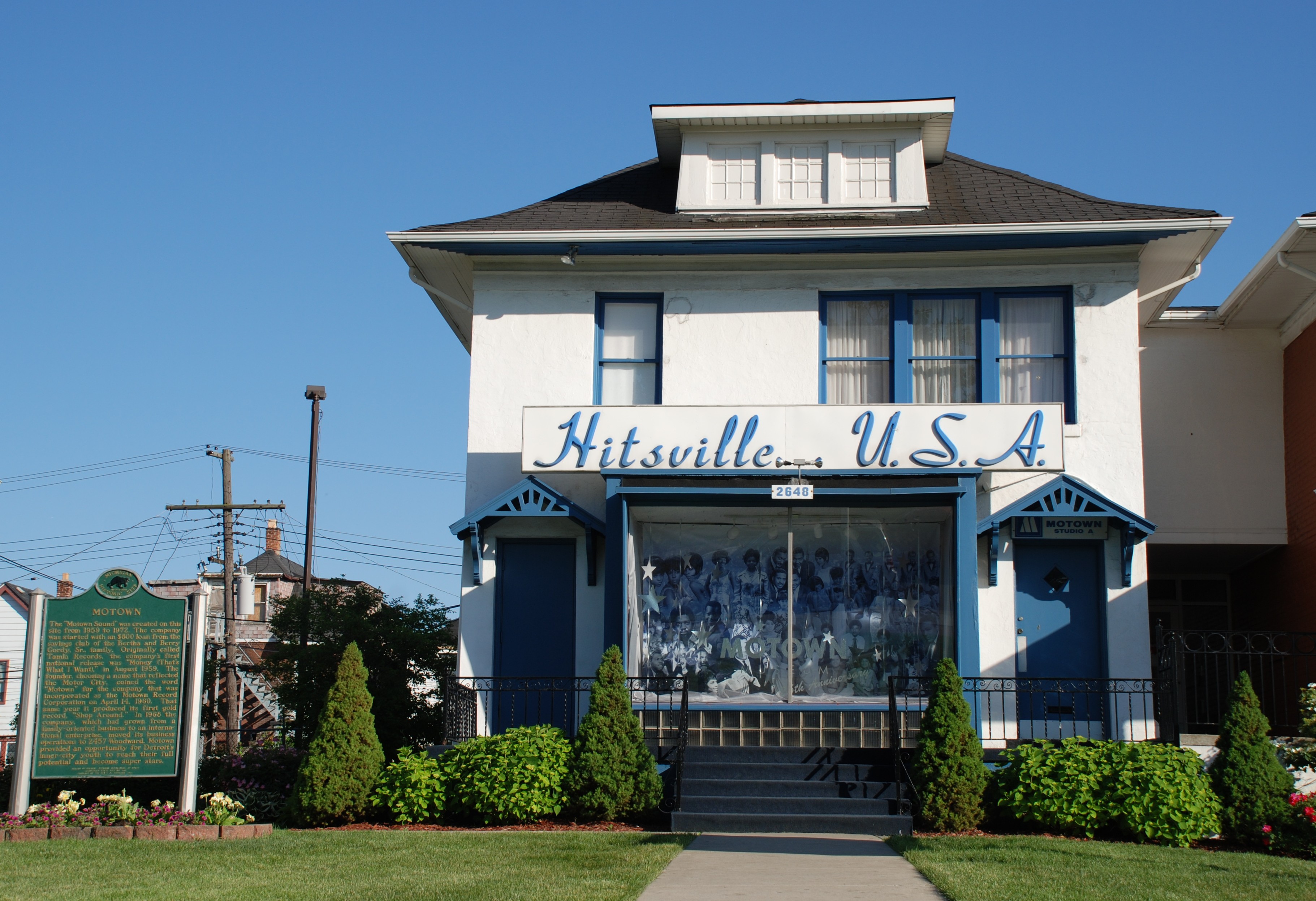
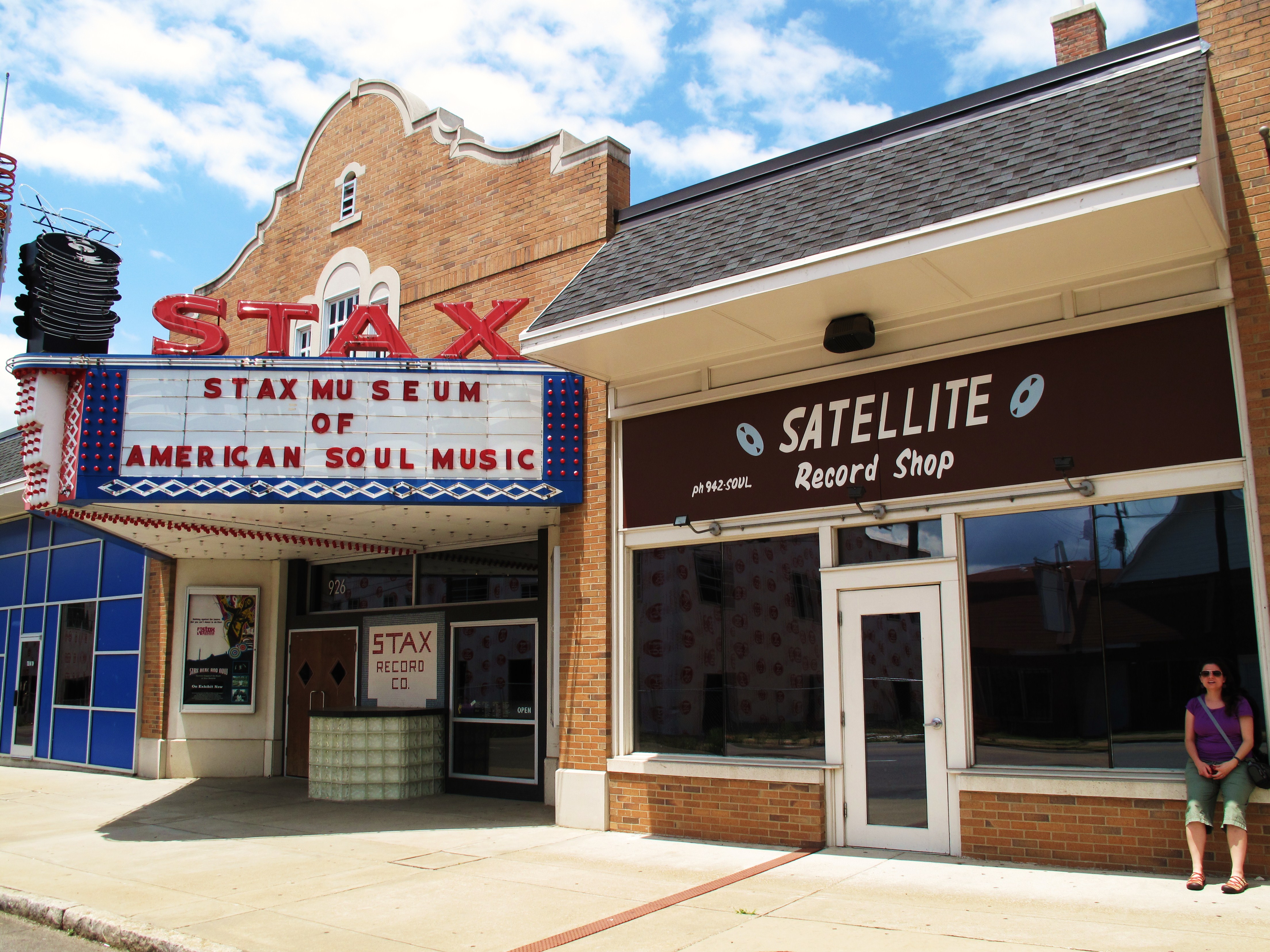
Berry Gordy founded Motown in Detroit in 1959, bringing songwriters, session players and singers into a hit-making studio system. In Memphis, Stax's integrated house band and roster made a different, often rawer sound. The Supremes, Otis Redding and many others show the range of what audiences came to call soul.
Aretha Franklin's 1967 recording of ‘Respect’ transformed Otis Redding's song into a landmark performance. As the civil rights movement shaped public life, records by artists such as the Staple Singers carried messages of dignity and collective strength. Soul's emotional force could fill a dance floor and speak to the world beyond it.
Philadelphia International gave lush, rhythm-forward soul another center in the 1970s. Soul records moved through clubs and radio as funk and disco developed alongside them. Later DJs sampled and mixed these recordings, but the original songs and performances remain more than raw material for another genre.
Soul kept changing as funk made rhythm more insistent and disco extended dance records. Those sounds overlap without replacing the singers, writers, musicians and communities in soul's own story.
02 / WATCH & LISTEN
THE SOUND IN THE MIX.
Watch the story, then choose a featured mix. The music player keeps playing as you move between pages.
WATCH / SOUL
Take Me to the River
A full documentary following Memphis soul and Stax musicians as they collaborate with a younger generation. It is a Memphis-centered story, rather than a complete history of soul.
These links document the history and image credits behind this page. Listening selections play through their original uploaders in the SoundCloud player.